We just wanted to let you know that we are creating a new series that discusses where were are now in the art world… and where we are going.
Today’s series reflects on the art movement “Immediacy”.
In Immediacy, or the Style of Too Late Capitalism, literary scholar Anna Kornbluh examines how contemporary culture has become obsessed with instant access, instant engagement, and instant gratification.
She describes this era as a “stylized flood of intense immanence,” where art, like everything else, is increasingly shaped by speed and circulation rather than depth and production. Social media’s endless stream of “micro-memoirs,” the rise of autofiction, and the saturation of digital content all point to a shift away from mediation—once central to artistic reflection—toward raw immediacy.
Immediacy is about wanting things right now. It’s the craving for instant access, instant understanding, or instant feelings—without having to wait, think too much, or go through layers to get there.
In art, it can show up as something that grabs your attention instantly – like a bold poster or a flashy video – or an artwork that gives you a direct experience with no explanation needed.
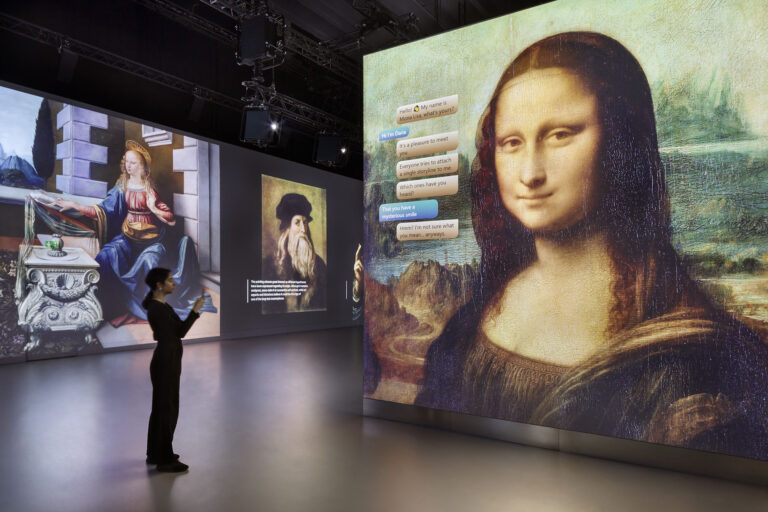
Take, for example, installation art—originally intended to immerse viewers, disrupt passive viewing, and offer a deeply embodied experience. In today’s culture of instant gratification and social media, however, many installations now prioritize quick sensory impact, photo-worthy moments, and fast consumption, often sacrificing deeper contemplation or meaning for immediacy.
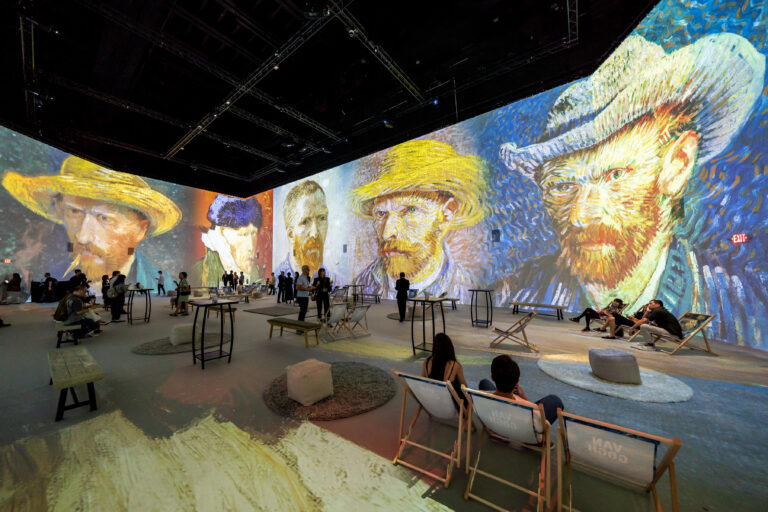
Kornbluh highlights immersive installations that project high-resolution images of van Gogh and other painters, enhanced with animations, sound, and light effects. She argues that even an artist as accessible as van Gogh is seen as insufficiently immersive without these embellishments—alterations that strip the works of their essential painterly qualities.
(Van Gogh Immersive Experience Picture Above)
Kornbluh doesn’t just critique this cultural shift—she challenges artists to resist it. She calls for a revival of artistic strategies that slow us down, disrupt the flood of immediacy, and reintroduce complexity and mediation into creative practice.
How can art reclaim nuance in an era of hyper-visibility? How do we make space for reflection when everything urges us to react in real time? Can artists push against the acceleration of culture rather than be consumed by it?
“It’s not too late—things can still be less worse,” she writes. So, what role will art play in shaping what comes next?
If you would like to read more, here is an article with more information on Immediacy and Kornbluh’s thoughts!