
Contemporary art, a dynamic and ever-evolving field, reflects the cultural, political, and social fabric of the times in which it is created. In our lecture series Demystifying Contemporary Art, we delved deeply into the transformative years that shaped today’s artistic landscape. Beginning with the 1980s, a period marked by rapid globalization and economic exuberance, this lecture illuminated the shifts in artistic expression and the evolving role of art in society.
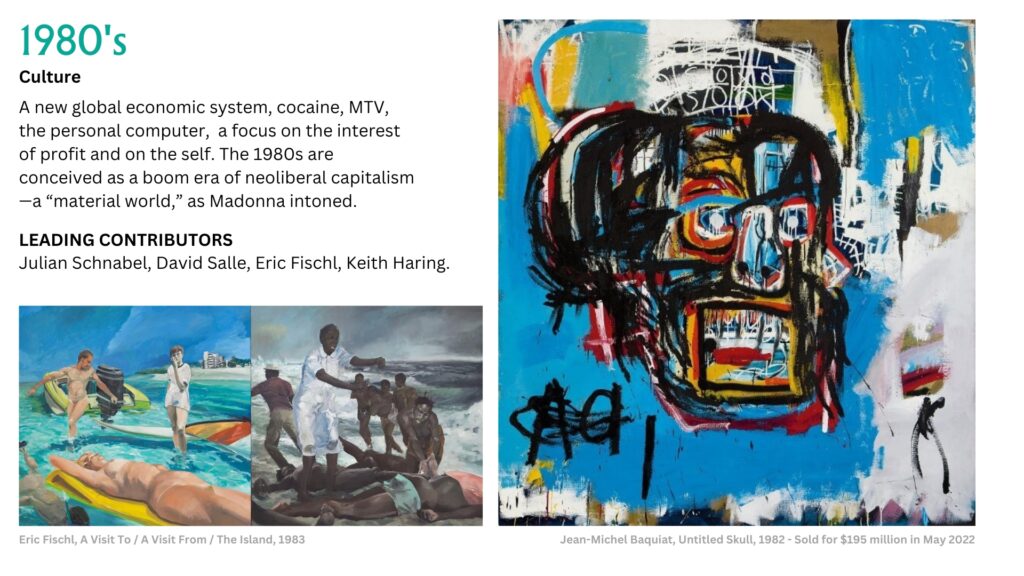
The 1980s were a critical juncture for contemporary art, often seen as a watershed moment when the boundaries between fine art and commercialism began to blur. Artists such as Jean-Michel Basquiat emerged during this time, challenging traditional art world hierarchies with his vibrant, graffiti-inspired works. Basquiat’s raw energy and untrained style symbolized a rebellion against the polished aesthetic norms of the past, embodying the spirit of a time when art began to embrace the immediacy of lived experience. Alongside him, figures like Julian Schnabel explored mixed media and unconventional techniques, such as incorporating broken ceramics into paintings, pushing the boundaries of what constituted fine art.
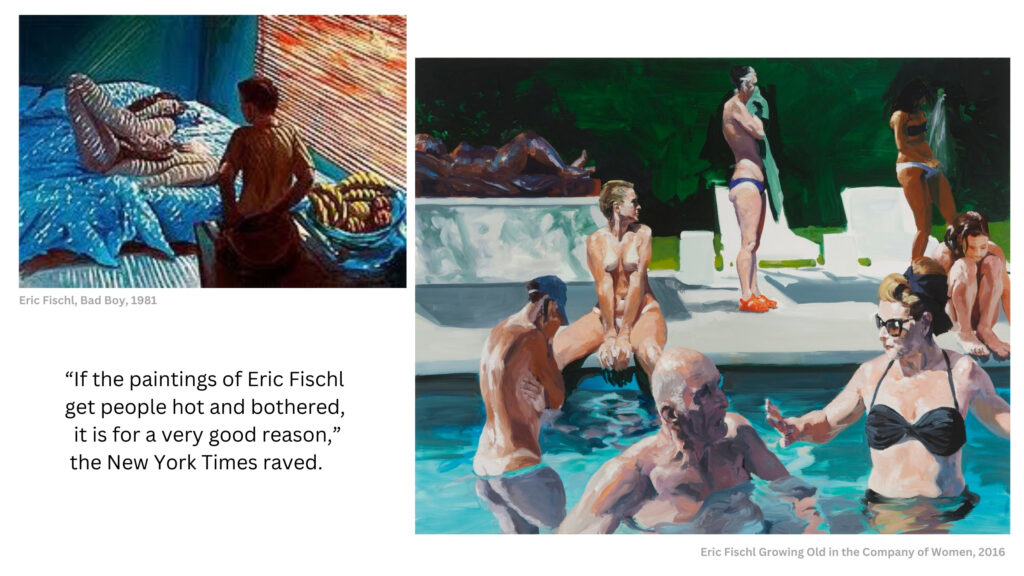
This era also saw the rise of neo-expressionism, a movement characterized by its bold, gestural marks and emotionally charged imagery. Artists such as Eric Fischl used this style to explore the psychological undercurrents of suburban life, presenting scenes of everyday existence imbued with discomfort and complexity. Fischl’s works, with their palpable tension and unrefined brushwork, marked a departure from the clean precision of earlier figurative painting, instead prioritizing the visceral and the raw.
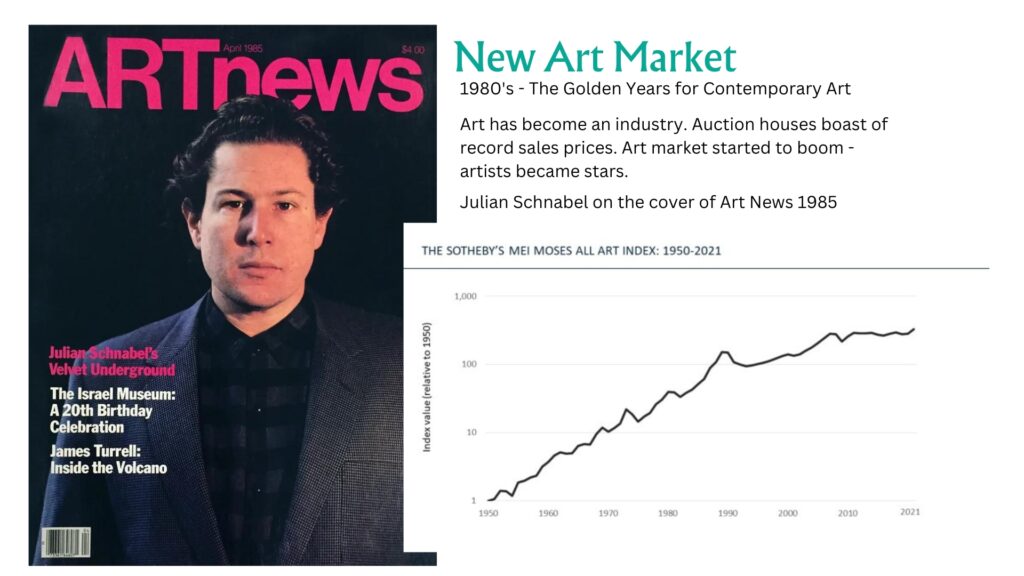
As the art market expanded, buoyed by Wall Street’s boom and the globalization of wealth, art became a commodity, with pieces fetching astronomical prices. The Sotheby’s May-Moses Indices documented this surge, illustrating how art was increasingly seen as an investment rather than purely a means of expression. This commercial success, while elevating the visibility of artists, also sparked a debate about the purpose of art and its accessibility to the wider public.
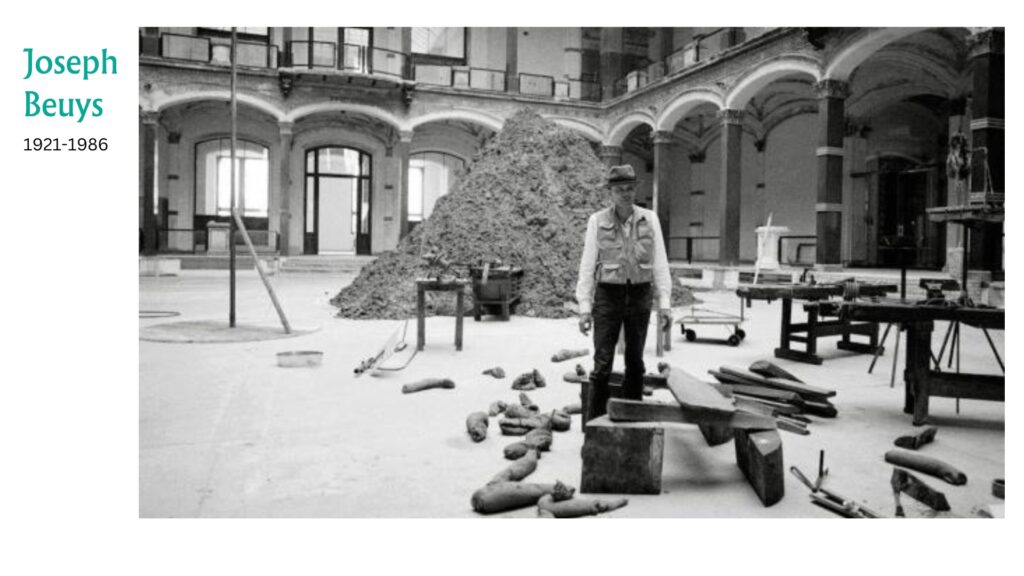
In reaction to the commercialization of art, a wave of socially engaged practices emerged in the following decades. Artists like Joseph Beuys and later Tanya Bruguera redefined art as a participatory and community-centered act. Beuys’ installations, often appearing as unfinished or in-process works, emphasized the idea that art was a collective endeavor rather than the product of a solitary genius. His teachings and actions, such as opening his classrooms to unregistered students, reinforced his belief that art was for everyone, regardless of their background or training.
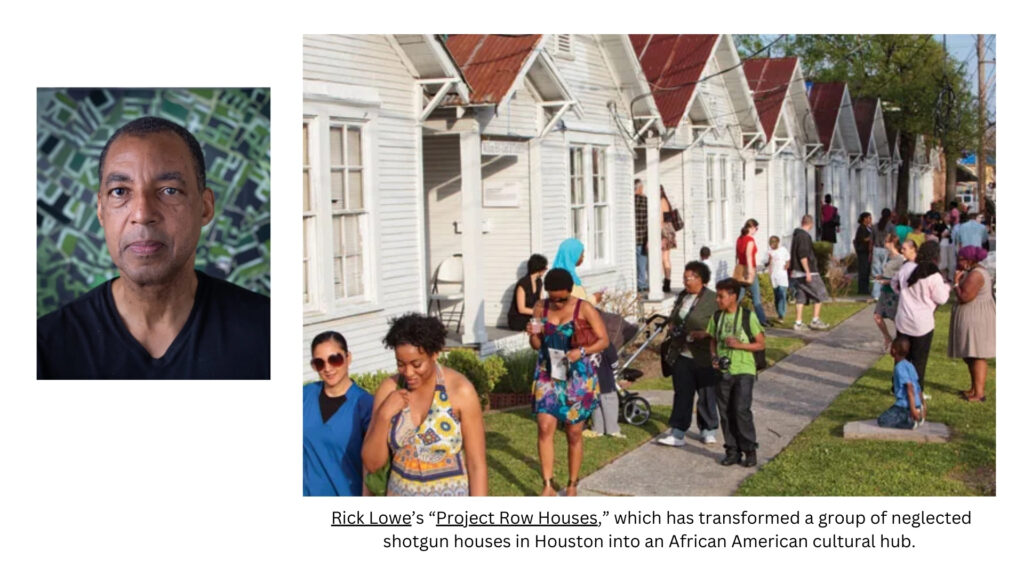
This ethos carried forward into the work of Tanya Bruguera, whose socially engaged art practices aimed to empower communities and address systemic inequalities. In Cuba, she founded alternative schools where art students explored the intersections of art and citizenship, challenging traditional hierarchies within the art world. Similarly, Rick Lowe’s Project Row Houses transformed a derelict Houston neighborhood into a thriving cultural hub, demonstrating how art could directly impact and uplift communities.
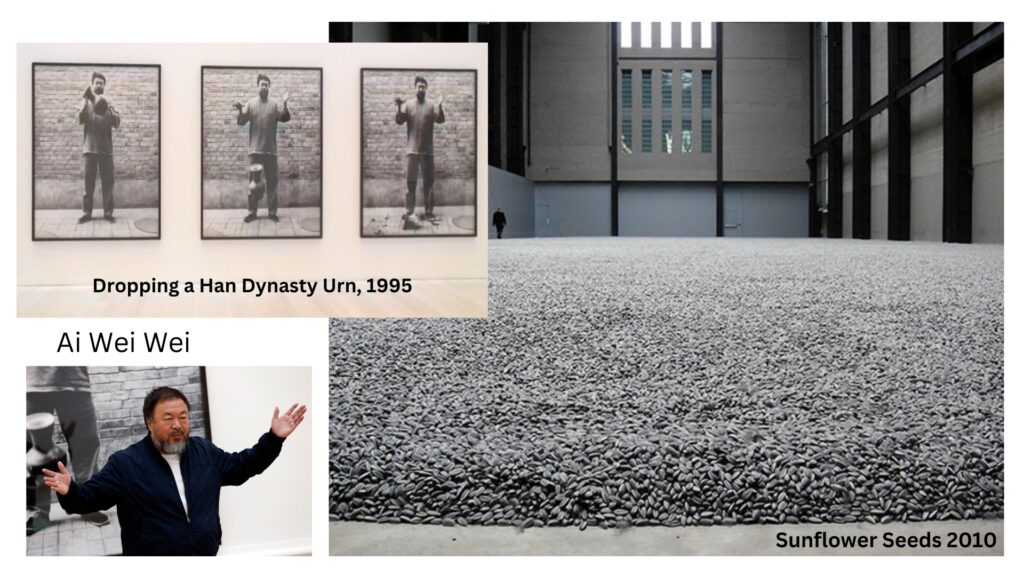
Global artists like Ai Weiwei took this social engagement to an international stage, using their work to critique authoritarian regimes and advocate for human rights. Ai’s pieces, ranging from breaking a Han Dynasty urn to creating a vast sea of handcrafted porcelain sunflower seeds, confront issues of conformity, censorship, and individual freedom. His work is both deeply personal and broadly political, reminding viewers of the power of art to question, provoke, and inspire change.
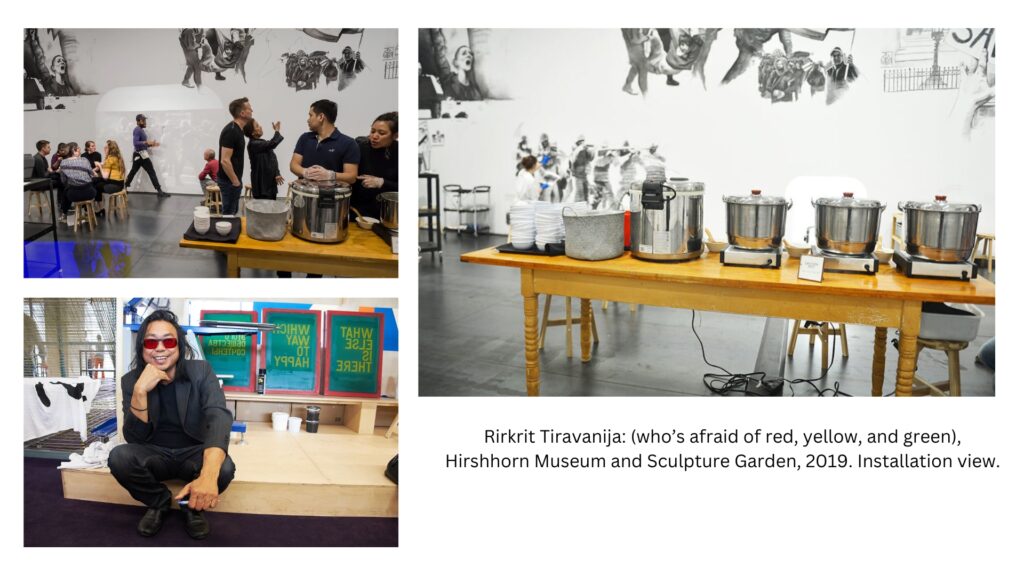
The rise of participatory and relational art in the late 20th and early 21st centuries reflects a broader shift in contemporary art: the emphasis on experience over object. Artists like Rikrit Tiravanija created installations that invited audiences to partake in communal activities, such as sharing meals, transforming the gallery space into a site of interaction and connection. These works blur the line between artist, viewer, and participant, suggesting that the creation of meaning in art is a collaborative process.
Contemporary art today remains a complex and multifaceted field. It continues to grapple with the pressing issues of our time, from environmental concerns and identity politics to the rapidly advancing realms of technology and artificial intelligence. As we explore these themes, it becomes clear that contemporary art is not a static category but a dynamic dialogue, one that reflects and refracts the turbulence, beauty, and contradictions of the world we live in. Through its many forms and approaches, contemporary art invites us to question, to feel, and ultimately, to connect.