I recently took a week-long, in-person Art Business course at Sotheby’s in New York City, the world’s art market center, to study the market more deeply. I’d like to share some of those insights through a newsletter series, FROM SOTHEBY’S TO SARASOTA.
When we hear the words “art market,” it can sound like a world far removed from Sarasota. We may think of blue-chip artists, wealthy collectors, major auction houses, and multimillion-dollar sales. But the art market reaches far beyond that world and affects artists and arts communities at every level
Not everyone in the art ecosystem is buying and selling art. Some people create it, some build careers and markets, some interpret and validate it, some collect and fund it, and others provide the infrastructure that allows artwork to move safely through the world. In this first installment, we’ll look at who these players are and the roles they play in the larger art world.
Artists: Create the work at the center of the ecosystem. They develop their practices, build bodies of work, exhibit, sell, collaborate, and contribute ideas that ultimately drive the entire art world.
Gallerist: Represent artists and introduce their work to collectors, curators, institutions, and the broader public. They organize exhibitions, develop markets for artists, cultivate collectors, and often help guide an artist’s career over many years.
Every Gallerist Is a Dealer, but Not Every Dealer Is a Gallerist
A gallerist sells art, but also represents artists, develops their careers, organizes exhibitions, and builds relationships with collectors. A dealer may simply buy, sell, or broker art without representing artists or running a gallery.
Art Dealer: A person or business that buys, sells, consigns, or brokers works of art. A dealer may also act as an art advisor, but their primary role is facilitating and completing art transactions.
Art Advisors: Help individuals, corporations, and institutions build and manage collections. They research artists and artworks, recommend purchases, negotiate transactions, and provide guidance about quality, provenance, pricing, and the market.
Curators: Develop exhibitions and create the intellectual or thematic framework connecting artists and artworks. They may work independently or within museums, galleries, nonprofits, universities, and other cultural organizations.
Museums: Collect, preserve, research, interpret, and exhibit art for the public. Museum exhibitions and acquisitions can also play an important role in establishing an artist’s historical and institutional recognition.
Art Biennial: A large-scale contemporary art exhibition held every two years. Like a museum exhibition, its primary purpose is to present, interpret, and educate through art rather than sell it.
Nonprofit Art Organizations: Support artists and connect contemporary art with communities, often through exhibitions, residencies, studios, education, public programs, grants, and professional development. Unlike commercial galleries, selling artwork is not their primary purpose.
Collectors: Purchase and live with art, but their role can extend well beyond buying. Collectors may support artists early in their careers, lend work to exhibitions, donate art to museums, fund organizations, and introduce artists to other people within the ecosystem.
Auction Houses: Facilitate the resale of artworks, primarily within the secondary market. They research and authenticate works, estimate values, market consignments, organize sales, and connect sellers with buyers around the world.
Visual Art Critics & Writers: Interpret and contextualize artists, exhibitions, and movements through reviews, essays, books, magazines, and other publications. Their writing contributes to the critical record surrounding an artist’s work.
Art Fairs: Bring galleries, artists, collectors, curators, advisors, museums, and other professionals together in one place for the purpose of selling work. They are important marketplaces, but they are also major networking and visibility hubs.
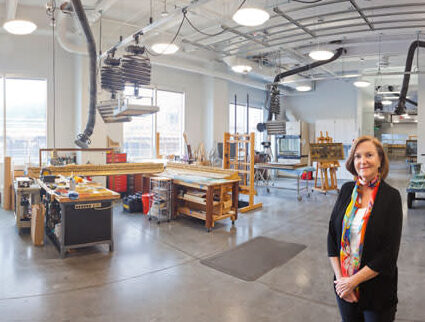
The Ringling Museum in Sarasota, Florida, employs a professional conservation team housed in a dedicated 4,300-square-foot lab. The team cares for thousands of paintings, sculptures, and historic objects. Key members include Chief Conservator Barbara Ramsay, Paintings Conservator Ivana Jerdonekova, and Sculpture/Decorative Arts Conservator Emily Brown.
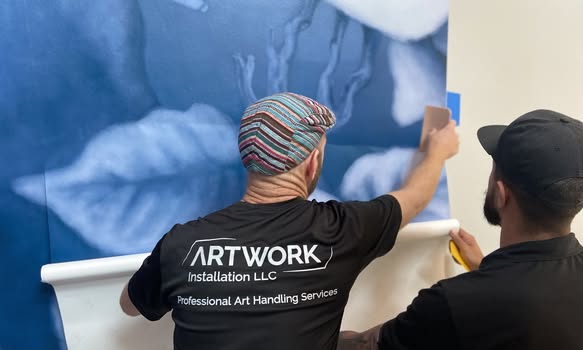
Art Handlers / Preparators: Physically care for and install artwork. They pack, transport, hang, mount, assemble, light, and deinstall works while following professional standards for safe handling.
Conservators: Examine, preserve, and repair artworks using specialized knowledge of materials, chemistry, art history, and conservation practices.
Art Shippers & Storage Facilities: Provide specialized transportation, packing, crating, climate-controlled storage, and logistical services designed specifically for valuable or fragile artworks.
The same art ecosystem exists right here in Sarasota. Every studio visit, exhibition, art purchase, or contribution to an arts organization helps sustain it.
You don’t have to be a major collector to play a role. Artists, galleries, nonprofits, museums, and collectors are all connected, and understanding those relationships helps us better understand our own arts community.