Is Contemporary Art in Crisis?
New York Real Estate and the Ruin of American Art, published by MIT Press, deeply resonated with me because it articulates something I’ve been witnessing for years through my work with artists and through building SPAACES in Sarasota. While the article focuses on the larger contemporary art ecosystems of New York City and Los Angeles, the underlying issues are not isolated to those cities. They are shaping the broader contemporary art world everywhere, including regional arts communities like our own. Below is my personal summary of the article.
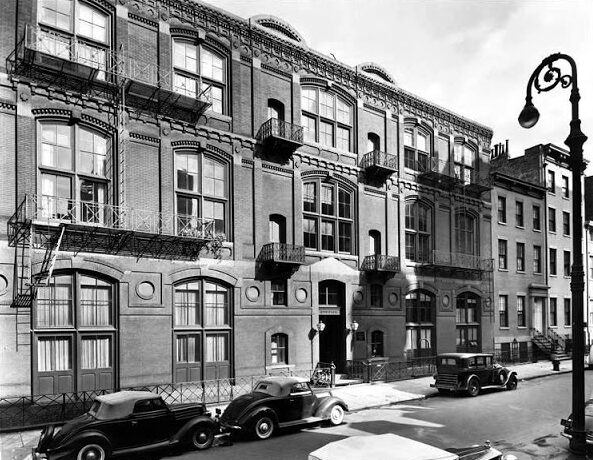
The Tenth Street Studio Building (1858) at 51 West 10th Street in Greenwich Village, designed by Richard Morris Hunt
The building profoundly influenced the American art scene, turning Greenwich Village into an artist’s mecca.
The Cost of Living is Reshaping Contemporary Art
One of the strongest points the article makes is that artists today are not lacking ideas or ambition. What they are lacking are the conditions necessary to sustain meaningful practices. Rising rent, high living costs, student debt, and increasing financial pressure are forcing artists into survival mode. Many artists now spend more time working to maintain basic stability than they do developing their work. When artists lose time, they lose the ability to experiment, research, fail, and grow.
As the article states:
“Contemporary art in twenty-first-century America is sick with problems.”
Reading that sentence felt strikingly honest to me. Not because contemporary art lacks importance, but because the systems surrounding it have become increasingly difficult for artists to navigate. Even outside major art capitals, we are seeing these pressures affect local arts communities. Sarasota’s growth and rising development bring opportunity, but they also create challenges around affordability and sustainability for working artists.
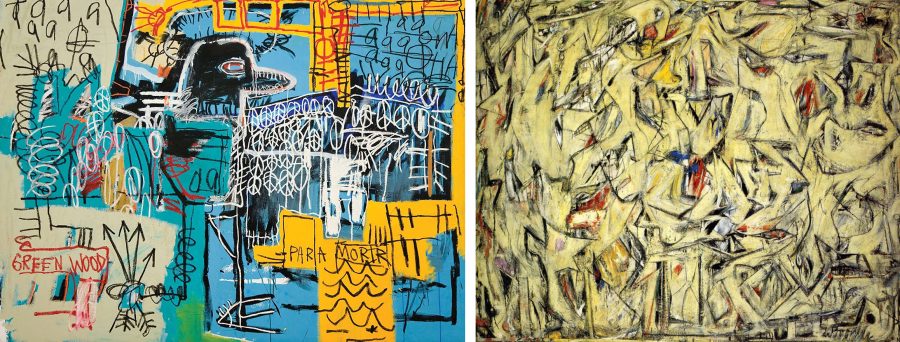
New York City low rents fostered groundbreaking movements like Abstract Expressionism, Pop Art, which embraced consumer culture through icons like Andy Warhol, and Minimalism, which focused on industrial simplicity. The city’s streets also birthed the Graffiti and Street Art explosion of the 1980s led by Keith Haring and Jean-Michel Basquiat, while earlier eras saw the gritty realism of the Ashcan School and the monumental cultural shift of the Harlem Renaissance. From the emotional intensity of Neo-Expressionism to the experimental nature of the New York School, these movements reflect the PAST role as a perpetual engine for artistic revolution. No longer.
The Art World Has Become Increasingly Market-Driven
The article argues that these pressures are also reshaping the art itself. Galleries and institutions operating under financial strain often become more risk-averse, favoring commercially safe work over ambitious or experimental practices. Artist-run spaces, which historically allowed artists to test ideas freely and build communities organically, have become harder to sustain.
One quote from the article that especially stayed with me was:
“The result is a tidal wave of art whose primary function as decorative speculative financial instruments eclipses any possibility of inquiry, experimentation, or real meaning.”
That line captures the larger concern at the center of the essay. When financial pressure becomes the dominant force shaping culture, experimentation and risk begin to disappear.
This connects directly to why I founded SPAACES. From the beginning, my goal was not simply to create another gallery, but to create conditions where artists could create freely without commercial pressures. Affordable studios, opportunities for installation and experimental work, public programming, lectures, residencies, and community dialogue all stem from the same belief: artists need time and space in order to create meaningful work. Without those fundamentals, the entire cultural ecosystem becomes narrower and more commercially driven.
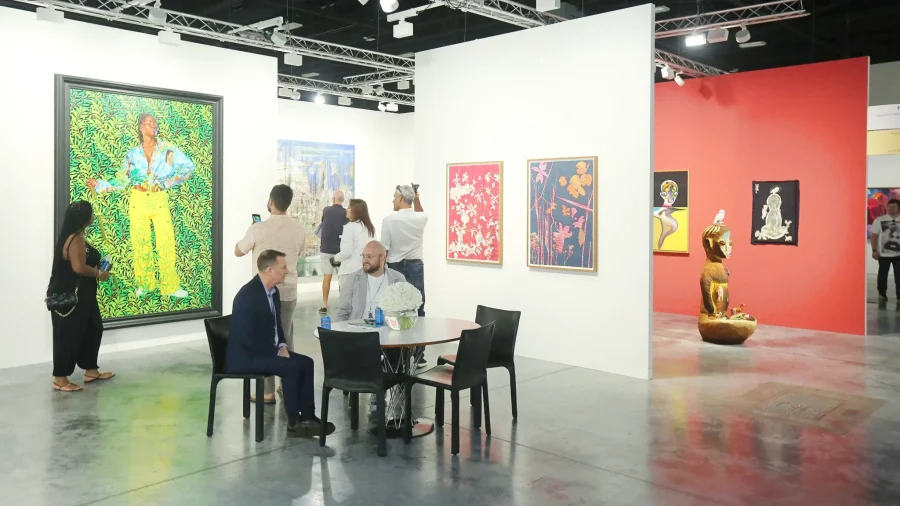
Art fairs have become one of the most influential forces in the contemporary art world, shaping visibility, sales, careers,
and cultural trends while bringing galleries, collectors, curators, and artists into a single global marketplace.
Class, Access, and Economic Inequality
Another important point the article raises is how economic inequality shapes who is able to participate in the contemporary art world at all. The essay argues that artists from working-class and middle-class backgrounds are increasingly filtered out by rising costs, while those with generational wealth are often better positioned to sustain careers, take risks, and remain in expensive art centers long enough to gain visibility. Without accessible studios, resources, and platforms for artists at different economic levels, entire perspectives and voices risk disappearing from the cultural conversation.
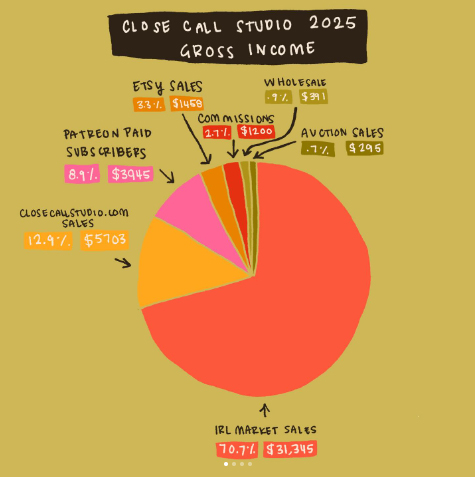
Artist Amanda Adams shares her detailed earnings from 2025.
Artists Need New Models Outside Traditional Art Centers
What I appreciate most about the article is that it does not stop at critique. It also offers a hopeful perspective that I strongly agree with. The essay suggests that the future of contemporary art may not depend entirely on traditional art capitals like New York. Instead, it points toward decentralized, artist-led communities developing in more affordable cities where artists can reclaim agency over their work and their lives.
“Nothing prevents young artists in the United States from seeking ways to free themselves and their art from the increasingly stifling and sclerotic confines of a moribund art world based in a lethally expensive global financial center.”
To me, this feels incredibly relevant right now. Regional contemporary art communities matter. Organizations outside traditional power centers matter. Sarasota may not be New York, but that is precisely what creates opportunity. Artists here can still build community, collaborate, experiment, and engage directly with audiences in meaningful ways. Spaces like SPAACES become important not because they imitate larger institutions, but because they offer something different, proximity, accessibility, and the possibility of building artist-centered ecosystems from the ground up.
The takeaway from the article is surprisingly simple. If we want a healthy contemporary art world, we must create environments where artists have access to the two things that matter most: time and space.