After spending a week at Sotheby’s in New York studying the art business, I came home wanting to share some of what I learned. In the first installment of our series “From Sotheby’s To Sarasota,” I looked at the larger art ecosystem.This week, I’m focusing on how art sells and who owns it.
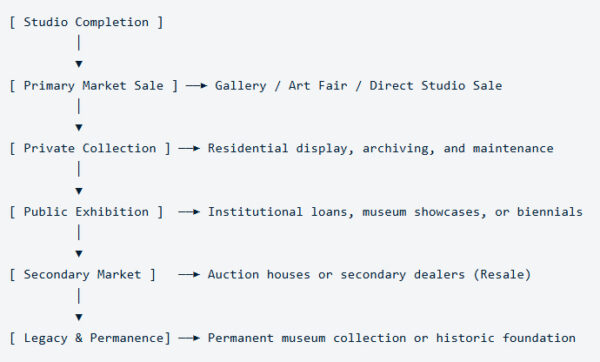
Think of the primary market as an artwork’s first home.
When you purchase a new work directly from an artist or from the gallery representing that artist, you are participating in the primary market. For artists, the primary market matters enormously because this is where they earn income from the work they create.
Gallerists discover artists, develop relationships with collectors, organize exhibitions, promote artists’ careers, and help establish prices and a market for their work.
When a gallery represents an artist and sells newly created work, it is generally operating in the primary market. The artist and gallery typically share the proceeds according to their agreement.
A strong relationship with a respected gallery can also help an artist build credibility, reach new audiences, and develop a consistent sales history.
Once an artwork has been purchased, any later resale moves it into the secondary market.
A collector might sell a work through a dealer, gallery, or auction house. The price may now be influenced by the artist’s career, exhibition record, demand, rarity, condition, and previous sales.
The secondary market receives a great deal of attention because this is where we often hear about record-breaking auction prices.
But there is an important distinction: the artist typically does not receive income when their artwork is resold. The money generally goes to the current owner, with commissions and fees paid to the dealer or auction house handling the sale.
That is one reason supporting artists in the primary market matters. Buying directly from artists and the galleries representing them puts money back into the creation of new work.
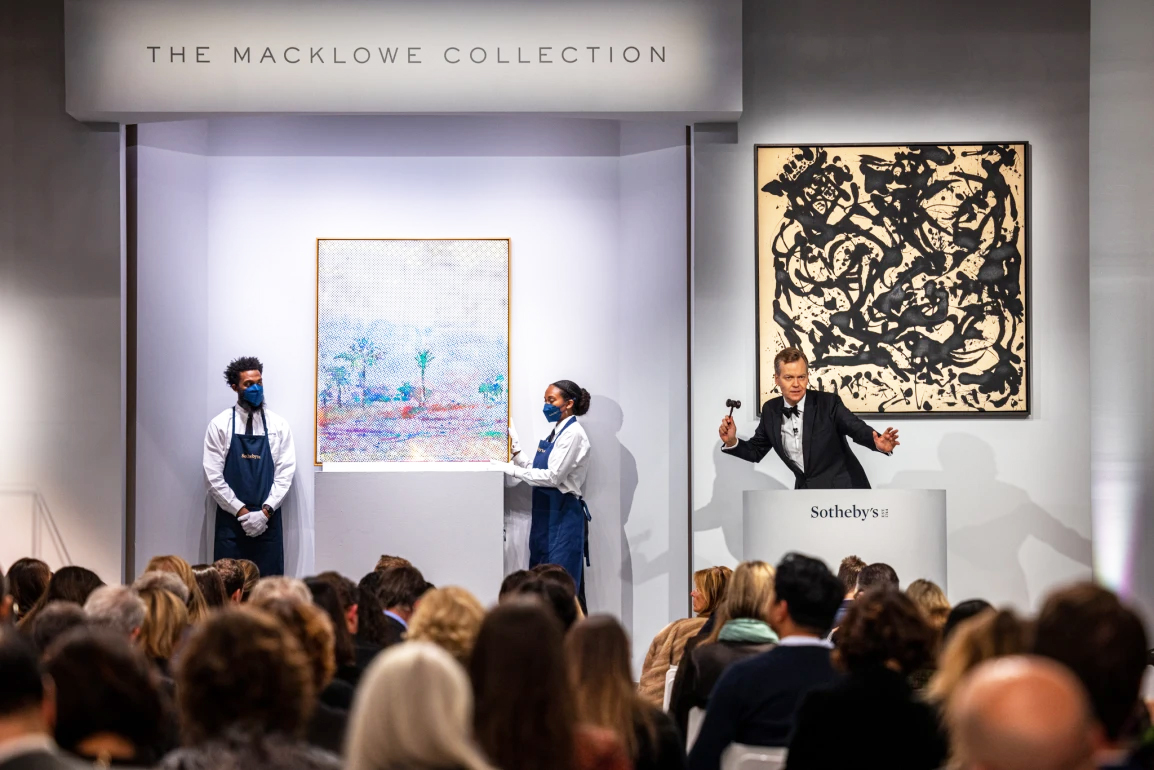
An auction house brings sellers and potential buyers together through competitive bidding. Major auction houses such as Sotheby’s are best known for selling previously owned works.
Before an auction, specialists research the artwork, evaluate its condition and history, estimate its potential selling price, and present it to prospective buyers.
The highest bidder generally wins, provided the bidding meets any required reserve price.
Estimate: The price range an auction house believes an artwork may achieve at auction.
Reserve Price: The confidential minimum amount the seller has agreed to accept. If bidding does not reach the reserve, the artwork remains unsold, or is “bought in.”
Assessment: An expert evaluation of an artwork’s condition, authenticity, significance, and market potential. It may include research into attribution, condition, and comparable sales.
Provenance: The documented history of who has owned an artwork from its creation to the present. Provenance can support authenticity and affect desirability and value.
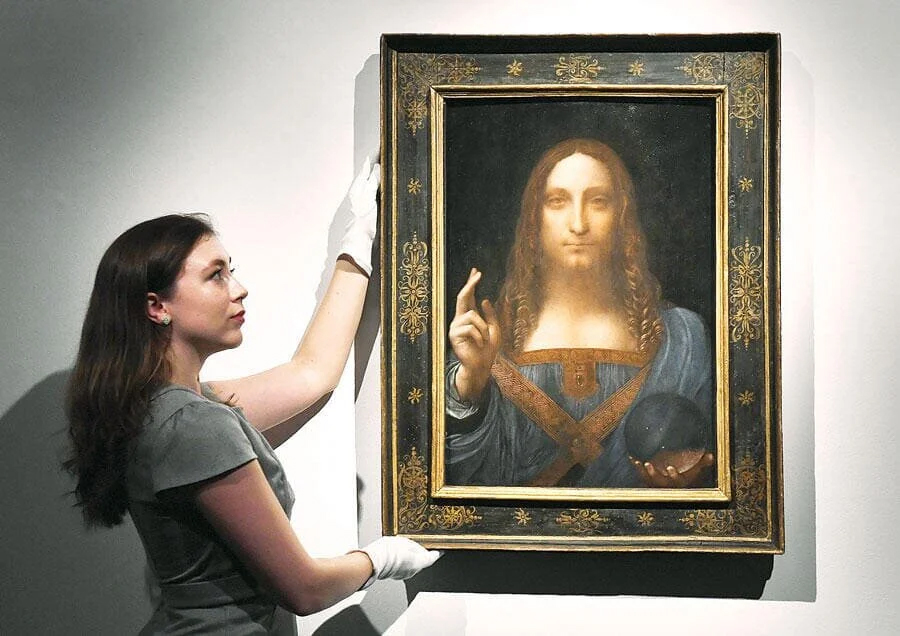
In the auction world, there is a memorable phrase explaining some of the most common reasons collectors sell: the Three D’s.
Debt: An owner sells artwork to raise money or meet financial obligations.
Death: Artwork enters the market when an estate is settled or inherited property is sold.
Divorce: A collection may need to be divided or sold as part of a divorce settlement.
Of course, collectors sell for many other reasons. Tastes change, collections evolve, people move, or an owner may simply decide it is time for someone else to live with the work.
Here is an important distinction: owning an artwork does not usually mean owning its copyright.
When you buy an artwork, you own the physical object. The artist generally retains the copyright to the creative work unless those rights have been specifically transferred.
Copyright protection generally depends on three basic ideas:
Originality: The work must be independently created and contain some degree of creative expression.
Fixation: The work must exist in a tangible form, whether physical or digital. An idea alone is not protected by copyright.
Creative Expression: Copyright protects the artist’s particular expression of an idea, rather than the underlying idea, style, method, or technique.
For example, anyone can paint a sunflower. What cannot simply be copied is another artist’s particular creative expression of that sunflower.
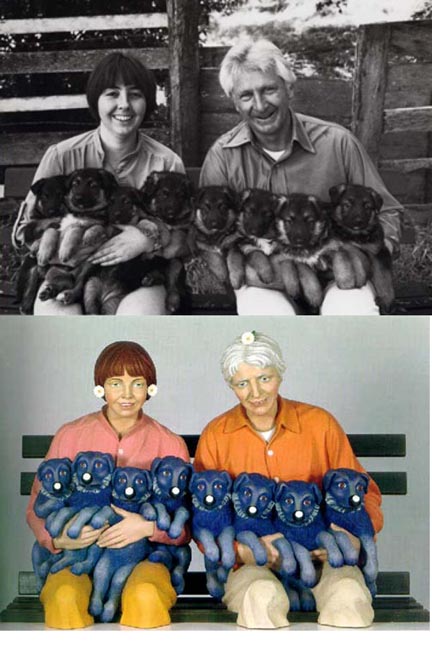
Artist Jeff Koons was found guilty of plagiarism in 1992 for copying a 1980 photograph by Art Rogers titled “Puppies” in his sculpture “String of Puppies,1988”
Artist Jeff Koons provides a useful example of how complicated copyright can become when artists use existing images in their own work.
Koons has faced several copyright infringement lawsuits during his career. In one well-known case, he used photographer Art Rogers’ image of a couple holding puppies as the basis for his 1988 sculpture String of Puppies. Koons argued that his work was a parody, but the court rejected that defense and found that he had infringed Rogers’ copyright.
Koons was later sued by photographer Mitchel Gray over I Could Go For Something Gordon’s (1986), from Koons’ Luxury & Degradation series. Gray alleged that Koons had used his photograph from a Gordon’s Gin advertisement almost unchanged and without permission.
These cases raise an important question in contemporary art: When does using an existing image become a new artistic expression, and when does it cross the line into copyright infringement? Appropriation has a long history in art, but transforming or recontextualizing someone else’s image does not automatically eliminate the original creator’s copyright protections.
The same primary and secondary markets operating in New York, London, and other international art centers exist on a different scale right here in Sarasota.
When you purchase artwork from a local artist or the gallery representing them, you are participating in the primary market and directly contributing to that artist’s ability to continue working.
And that is one of the most immediate ways collectors at every level can influence the health of an arts community: buy the work of living artists.