What art movement are WE in, TODAY? (Part 3 - How To Experience Immediacy)

Today we’re capping off our Immediacy series with one final email about HOW to experiece art when it’s all moving so fast!

How to Experience Art in an Age of Immediacy

In an era where everything from groceries to entertainment is delivered in moments, experiencing art can feel like a race against time—or worse, an obligation to react instantly.


Immediacy, as cultural theorist Anna Kornbluh describes it, is not just about speed—it’s a way of relating to culture that values accessibility, emotional clarity, and frictionless consumption. It flattens complexity in favor of instant impact. In this age, art is expected to be direct, digestible, and often, Instagrammable.

But what happens when we slow down and push back against that current?

How can we experience art differently when the entire cultural infrastructure seems built to discourage lingering?

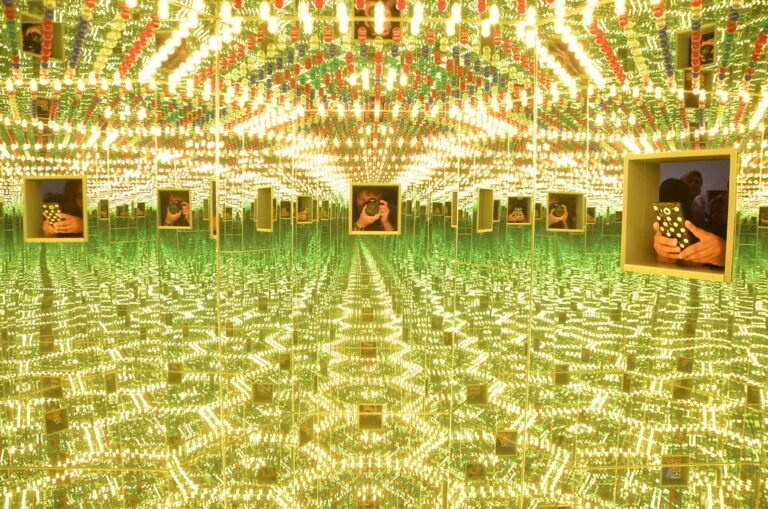
Yoyoi Kusama: Infinity Mirrored Room—Love Forever

To start, it’s essential to understand how Immediacy shapes both the making and reception of art. Consider the blockbuster appeal of immersive exhibitions like Yayoi Kusama: Infinity Mirror Rooms. These installations surround viewers in mirrored environments filled with glowing lights and repeating patterns, offering a sensory experience that is as brief as it is spectacular. Visitors are often given just 30 seconds inside—barely enough time to take in the work, but plenty of time to snap a selfie. Rather than offering space for quiet interpretation, these experiences deliver prepackaged emotion and engineered wonder. They exemplify immediacy: fast impact, little mediation, and a clear path to virality over reflection.

Netflix Original Series Emily in Paris

Another example is Netflix’s Emily in Paris, or any number of streaming shows designed not around complex narratives but around digestibility. Front-facing cinematography, direct-to-camera monologues, and plot-light storylines make for what Kornbluh calls a “testimonial, confessional” effect. These shows mimic the aesthetics of social media—personal, immediate, emotionally overt—blurring the line between art and platform content. The viewer is never lost, never confused, never asked to work through contradiction. It’s entertainment as frictionless consumption.

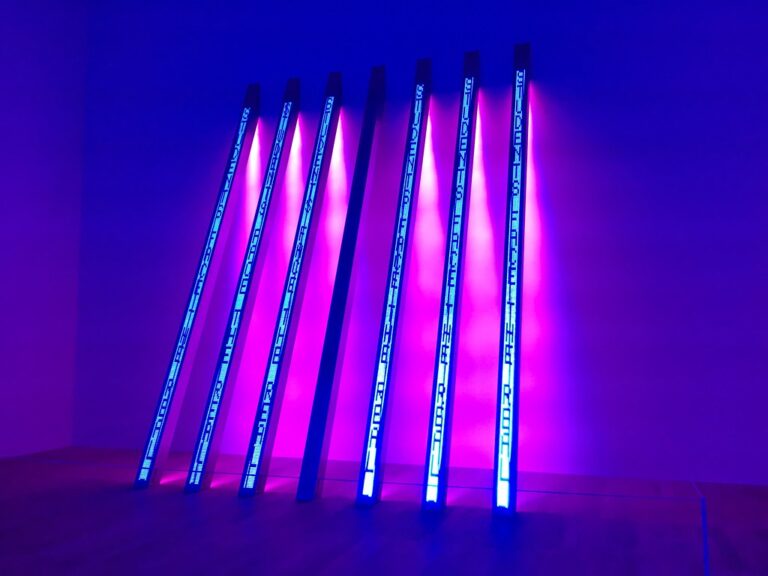
Visual art has not been spared. Take the explosion of bright, text-heavy contemporary works like those of Barbara Kruger or more recently, Jenny Holzer’s LED installations. While both artists have always addressed political urgency, their current popularity (and the way their works circulate online) speaks to how easily art becomes a meme in the age of immediacy. The message is clear, the format familiar, and the engagement short. Even Kaws’ large-scale sculptures and streetwear collaborations, while technically sculptural art, are crafted for immediate visual recognition—more pop icon than invitation to meditate.

Jenny Holzer: Blue Purple Tilt (2007)

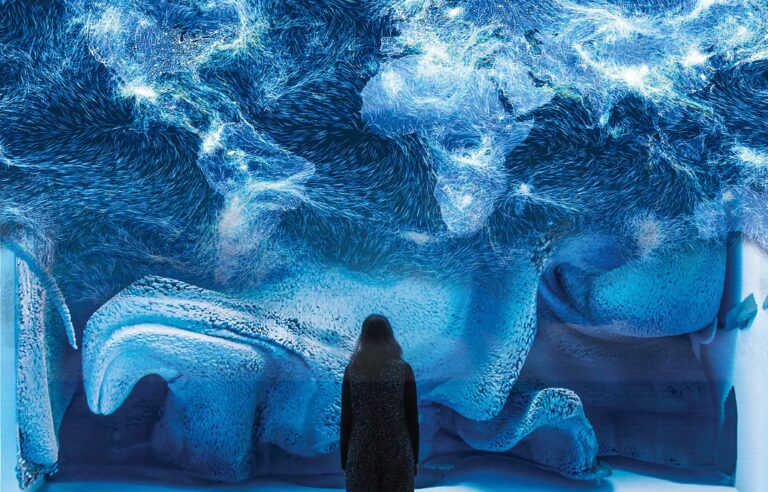
On social media, Refik Anadol’s AI-generated data sculptures are everywhere. His work, which blends algorithmic processes with vivid, flowing visuals, often displayed on massive screens or architecture, is undeniably beautiful. But like many immersive experiences, it offers little resistance. It gives viewers the aesthetic hit of abstraction without the need to engage with form, history, or process. It’s mesmerizing, but is it moving? And does it ask anything of us?

Refik Anadol: Mindspaces Garden

“…to experience art meaningfully in an age of immediacy is to ‘choose slowness.'”

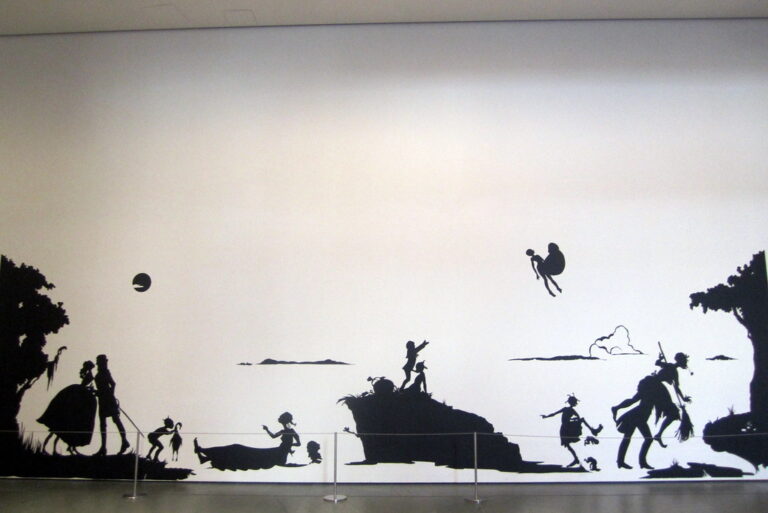
To counter immediacy, we can intentionally seek out art that requires patience—works that resist instant comprehension. Kara Walker’s cut paper silhouettes and installations, for instance, force viewers to confront deeply uncomfortable racial histories through stark, often violent imagery. Her work demands a longer engagement and a willingness to sit with discomfort.

Kara Walker – Gone: An Historical Romance of a Civil War as It Occurred b’tween the Dusky Thighs of One Young Negress and Her Heart

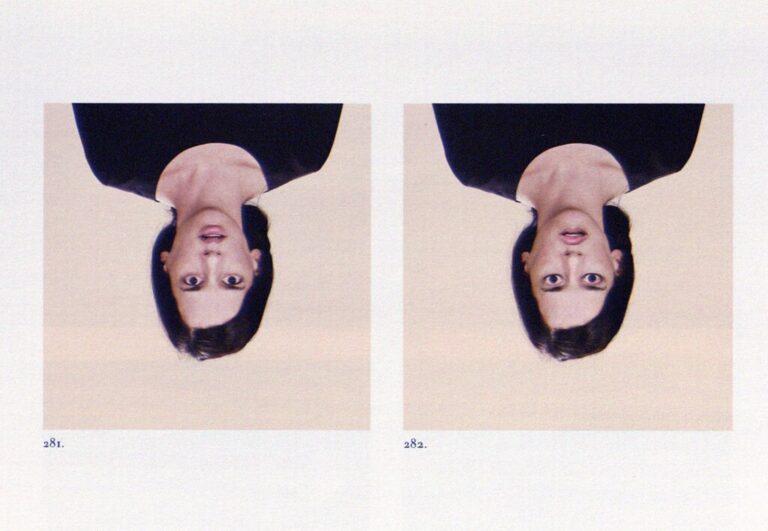
Perhaps we could look for exhibitions that provide little wall text, that ask us to interpret, not absorb. Zines, alternative art books, and analog photography also push back against immediacy—they insist on slower engagement, physicality, and even imperfection. Artist Taryn Simon, whose work involves long-form research, photography, and storytelling, offers another kind of resistance—an invitation to read, connect, and piece things together gradually.

Taryn Simon: Portrait Inversion

At the end of the day, to experience art meaningfully in an age of immediacy is to choose slowness. It’s to sit with the unresolved, to resist the urge to post or react instantly. It’s reading the wall text after you’ve looked at the painting, or reading the book that inspired the installation. It’s allowing time for questions to form rather than demanding answers on arrival. Art, after all, doesn’t always work on the same timeline as our devices—and perhaps that’s exactly why we need it now more than ever.

Leave a Reply

Your email address will not be published. Required fields are marked *