What Is Performance Art? Part 2: Asian Performance Art

It’s time for Part 2 of our “What Is Performance Art?” series, and for today’s entry, I thought I would take a look at 3 Asian artists and their impact on performance art.

The post-war era, in particular, witnessed a surge of innovative performance art from Asia, influenced both by traditional Asian aesthetics and the radical changes sweeping through the continent. Artists utilized performance as a dynamic medium to explore complex themes such as identity, modernity, and the tensions between East and West. These performances often reflected deep philosophical and spiritual inquiries, intertwined with a visceral exploration of the body and materiality.

The history of Asian performance art is distinguished by its diversity and intellectual depth, engaging with local and global discourses alike. Japanese, Korean, and Chinese artists, among others, have been pivotal in integrating performance practices into contemporary art dialogues, often drawing on performance traditions such as Japanese Noh and Butoh, Chinese opera, or the Korean shamanistic rituals. This confluence of the traditional and the contemporary not only enriched the spectrum of performance art but also offered new lenses through which international audiences could experience and understand the nuances of Asian cultures

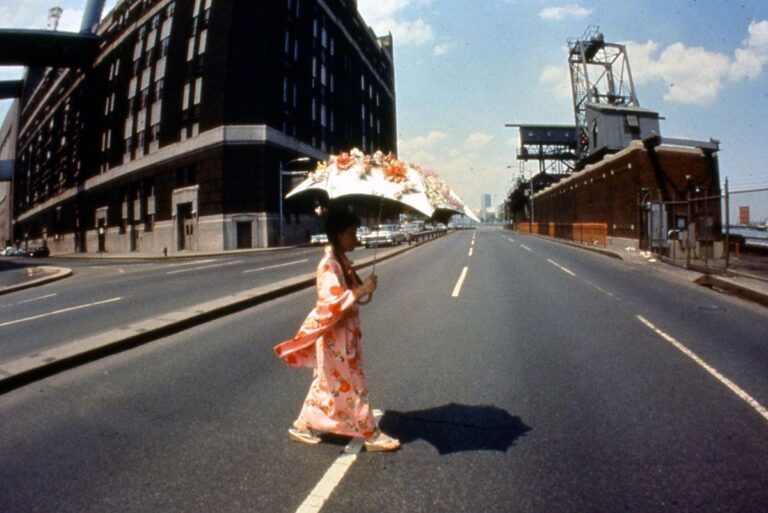
Yayoi Kusama, Walking Piece (1966)

Yayoi Kusama: Walking Piece

In the early 1960s, Yayoi Kusama produced “Walking Piece,” a fluxus-influenced performance in which she traversed the streets of New York in a traditional Japanese kimono and a parasol, juxtaposed against the city’s bustling, modern backdrop. This silent, poignant piece used the simple act of walking as a form of artistic expression, highlighting the isolation and alienation felt by an Asian woman in a Western society. The photographs documenting this performance capture the stark contrast between her traditional attire and the urban environment, symbolizing the bridging of different worlds and the persistent sense of otherness. Kusama’s work not only speaks to the immigrant experience but also to the broader existential quest for belonging and identity in a rapidly globalizing world.

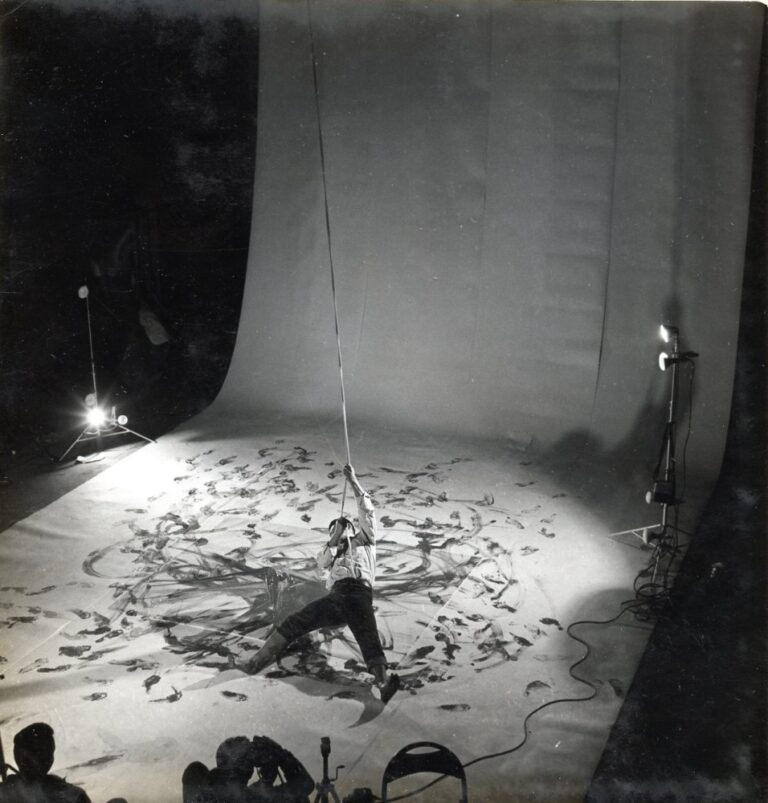
Kazuo Shiraga, Fire Ritual (1956)

Kazuo Shiraga: Fire Ritual and Koushin-san

Kazuo Shiraga, a prominent member of the Gutai group, is celebrated for his avant-garde performances that emphasize physicality and confrontation with materials. His works such as “Fire Ritual” (1956) and “Koushin-san” (1971) showcase this engagement, where the former involves burning painted objects to signify the destruction of conventional art forms and the latter is a ritualistic performance involving the use of his own body to challenge traditional notions of painting. Shiraga’s method—often using his feet or his entire body to paint—blurred the lines between the artist’s physical presence and the artistic medium, thus questioning the separation of artist from art. His performances are powerful commentaries on the transience of existence and the perpetual cycle of creation and destruction, resonant with Buddhist philosophy.

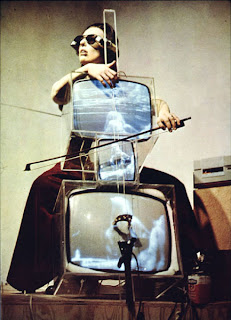
Nam June Paik, TV Cello (1971)

Nam June Paik: Concerto for TV Cello and Videotapes

Nam June Paik, a pioneer in video art, extended his explorations into performance through works like “Concerto for TV Cello and Videotapes” (1971). This piece, created in collaboration with cellist Charlotte Moorman, showcases a cello constructed from televisions playing Paik’s video compositions. The performance merges technology with classical music, creating a multimedia experience that comments on the changing perceptions of reality in the electronic age. Paik’s use of television as both an artistic and performative medium challenged conventional definitions of performance and sculpture, and his work is seminal in understanding the intersection of technology, art, and performance.

Stay tuned next week for Part 3 of our “What is Performance Art?” series – we’ll take a look at works that literally risked the lives of their creators…

Would you like to have our newsletter sent straight to your inbox? Sign up below!

Leave a Reply

Your email address will not be published. Required fields are marked *