
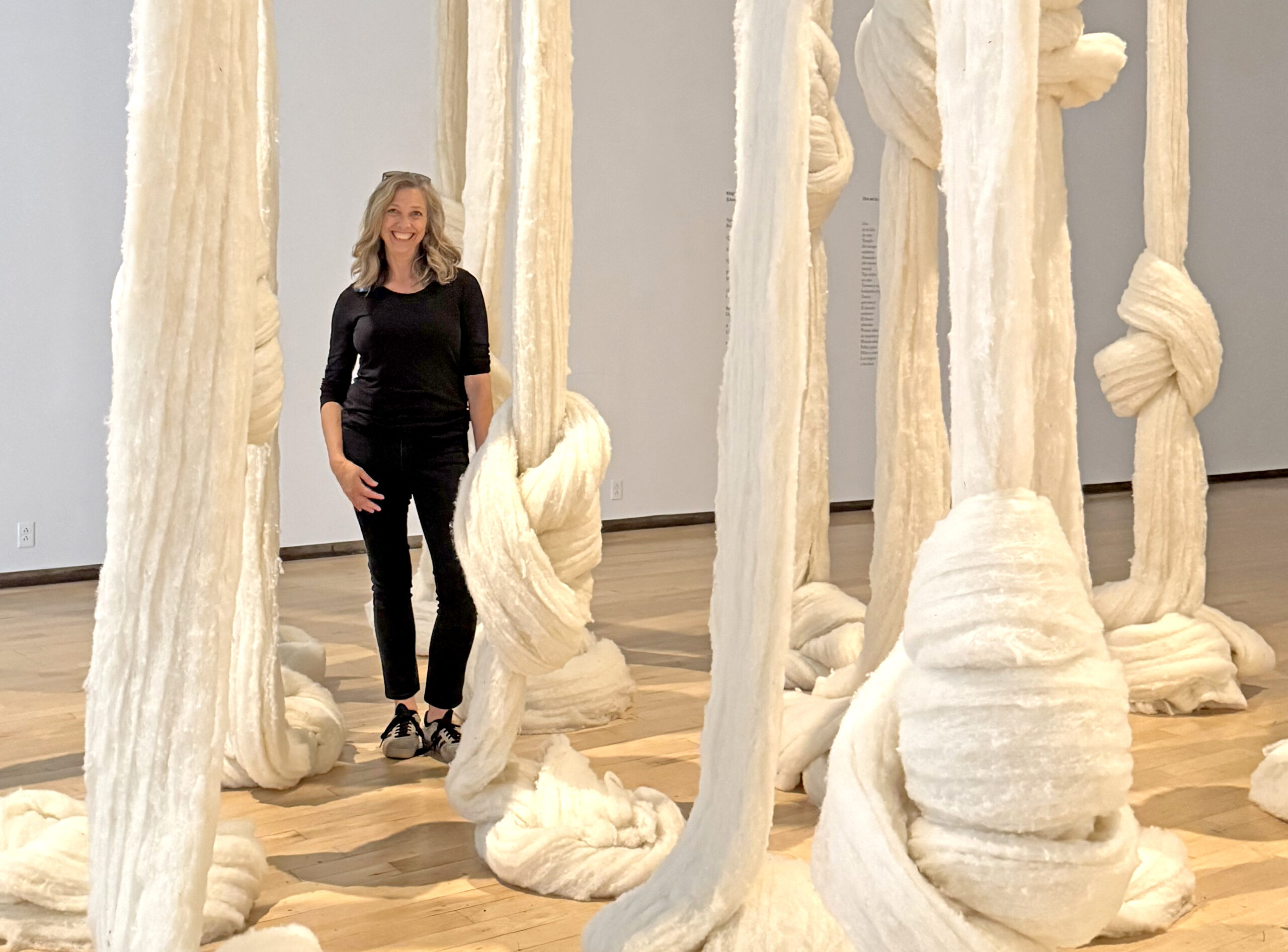
Marianne with Cecilia Vicuña”s work “Quipu Desaparecido” at MASS Moca
We’re starting a new series at SPAACES called #ArtTravel | Marianne’s Field Notes
Whenever I travel, art becomes part of the itinerary. Museums, Community Art Nonprofits, galleries, artists’ studios, and private collections are often where I spend much of my time.
I’ve been writing recently about my experience studying at Sotheby’s in New York, but that is only one part of my ongoing curiosity about art. I’m constantly taking photographs, researching artists I encounter, and returning home with fresh ideas and new work to think about.
#ArtTravel | Marianne’s Field Notes is a way to bring some of those discoveries to SPAACES.
This summer, in August 2026, I drove up the East Coast to visit family and friends and, of course, look at art!
Along the way, I stopped in Charlotte, Philadelphia, and MASS MoCA, (and more!) photographing works and exhibitions that caught my attention. Here are a few highlights from the trip.
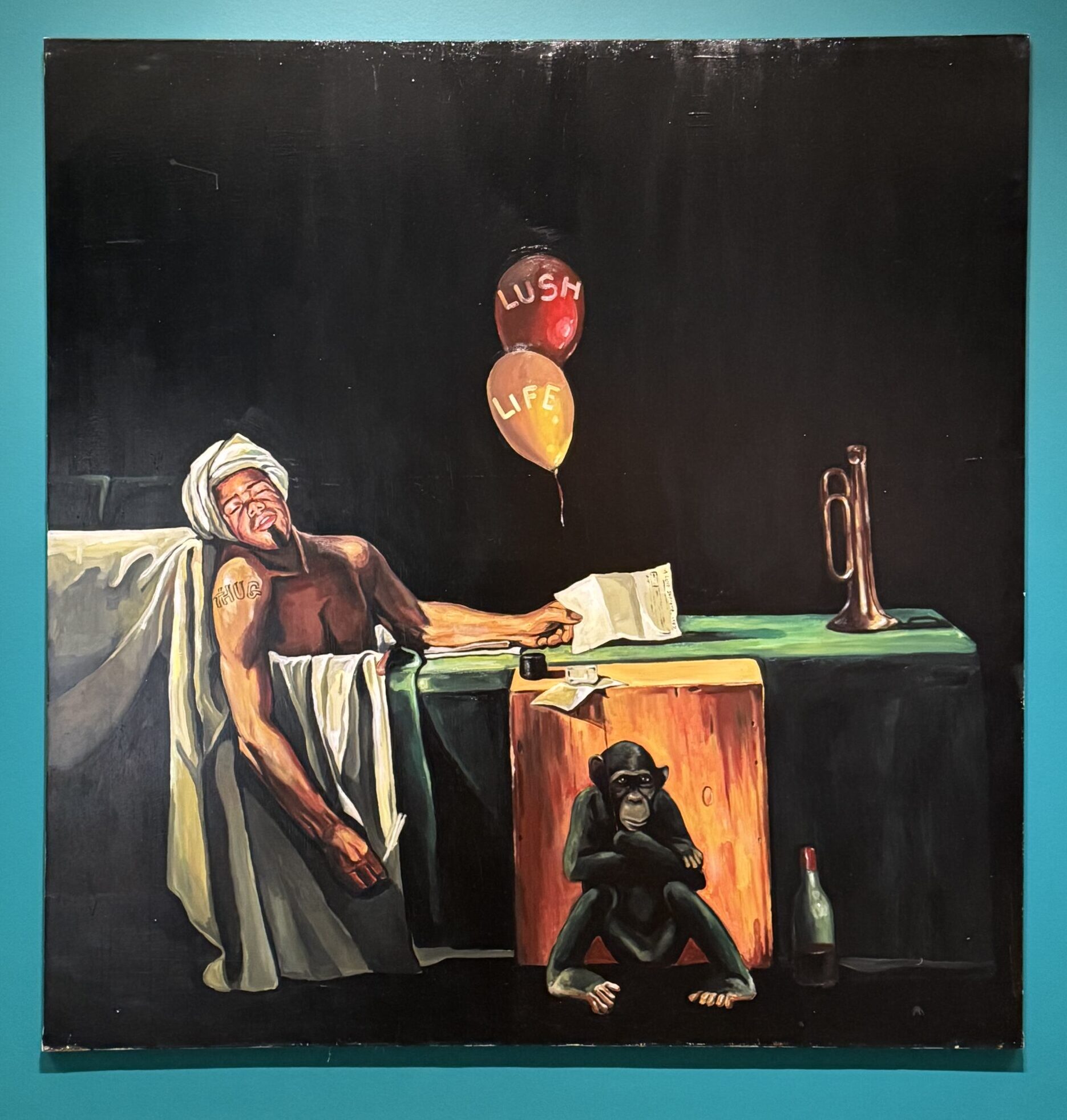
My first stop on the East Coast drive was Charlotte, where I visited the Bechtler Museum of Modern Art and saw David McGee: The Griot and the Nightingale.
This is McGee’s first major museum survey, bringing together more than 100 paintings and drawings from the past three decades.
McGee’s work explores art history, language, race, class, literature, music, and popular culture. I was fascinated by how much is happening within the work and how he uses familiar imagery and references to make you reconsider the stories we inherit and who gets to tell them.
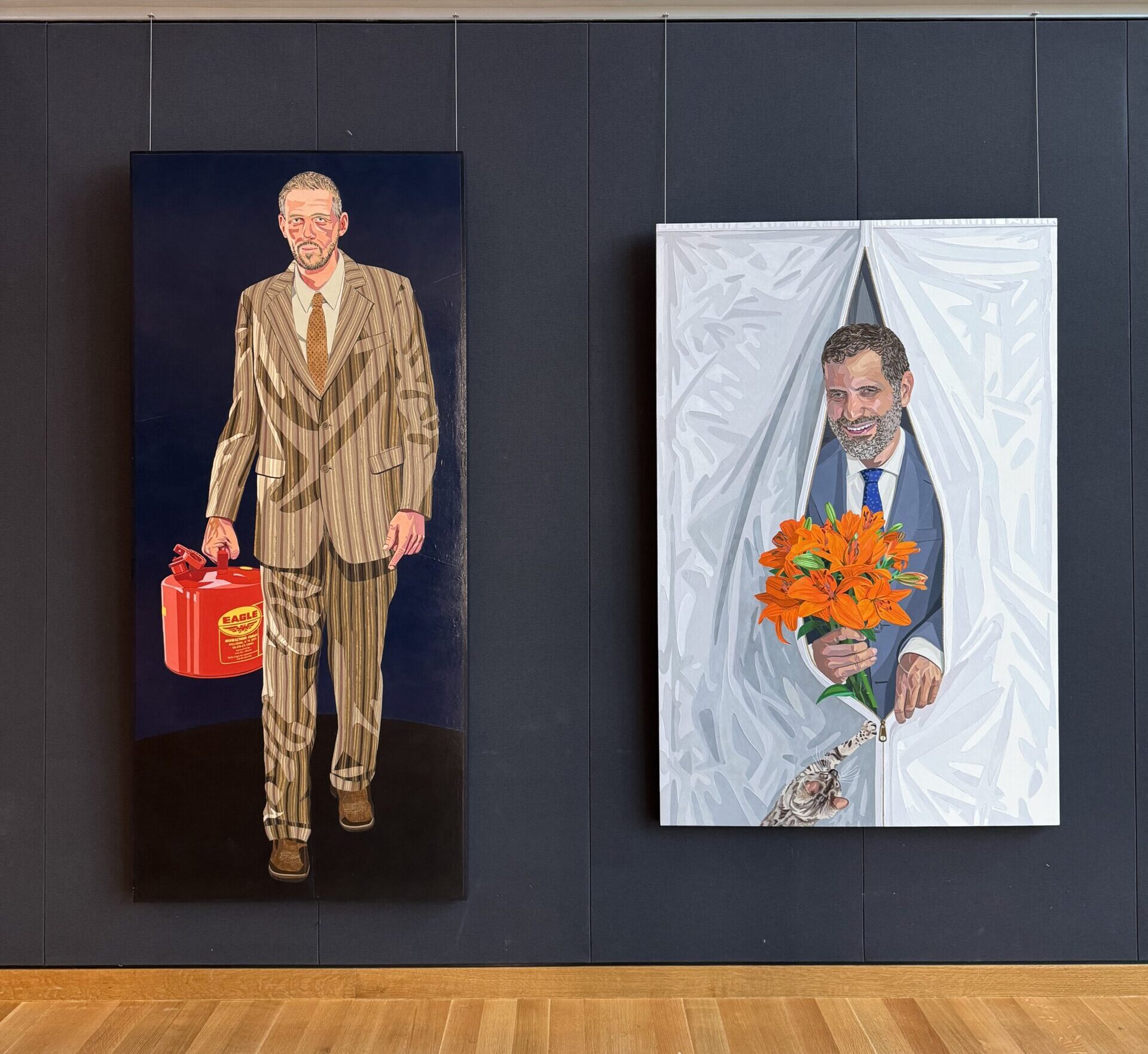
Selections from “Kirk Fanelly: What Do We Have Here?”
Across the street from the Bechtler was the Mint Museum, where I saw Kirk Fanelly: What Do We Have Here?, an exhibition spanning 25 years of his work in painting, printmaking, inlaid cut paper, and three-dimensional constructions. I was blown away by Fanelly’s work, especially the intention, invention, and extraordinary craftsmanship.
His inlaid paper works are constructed from individually cut pieces of paper, essentially using paper the way another artist might use paint. From a distance, they can read almost like paintings, but up close, you begin to see the meticulous process behind each image. They are works you really need to stand in front of to fully appreciate.
His oil paintings have that same attention to detail, but they also have this wonderfully strange narrative quality. I love work that makes me stop, look longer, and wonder what exactly is going on.
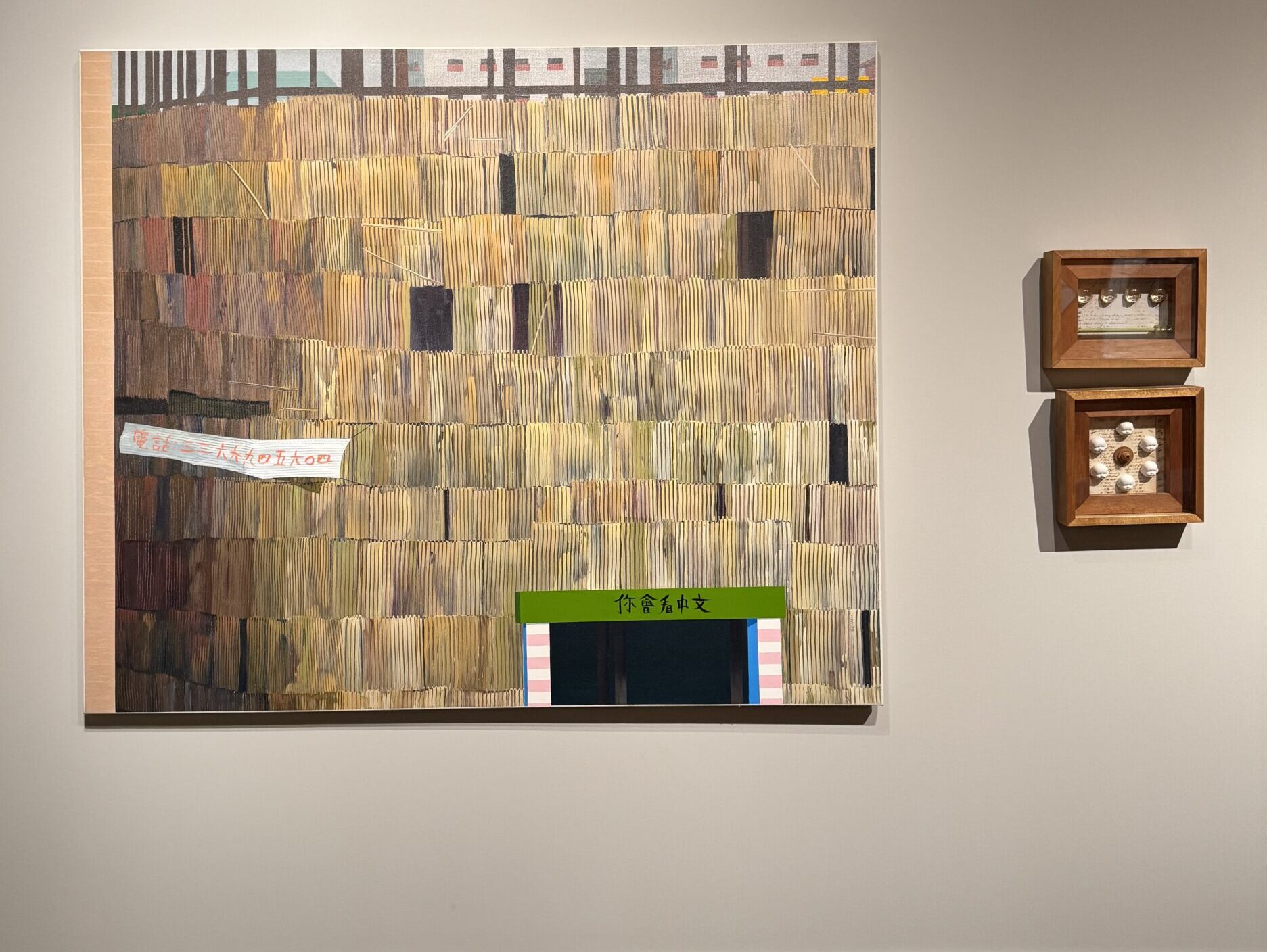
Also at the Mint Museum was 60 Years of the Department of Art and Art History: University of North Carolina Charlotte. Two artists especially interested me: Maud F. Gatewood and Mary Todd Shaw.
Gatewood was chosen by university founder Bonnie Cone to establish the school’s first academic arts program. She developed its art classes, hired faculty, and helped shape the arts program while maintaining her own painting practice. Her work is known for rich color and unusual perspectives on the changing Southern landscape.
Mary Todd Shaw came from the generation of artists who benefited from the program Gatewood helped build. Her work was witty, humorous, and thought-provoking.
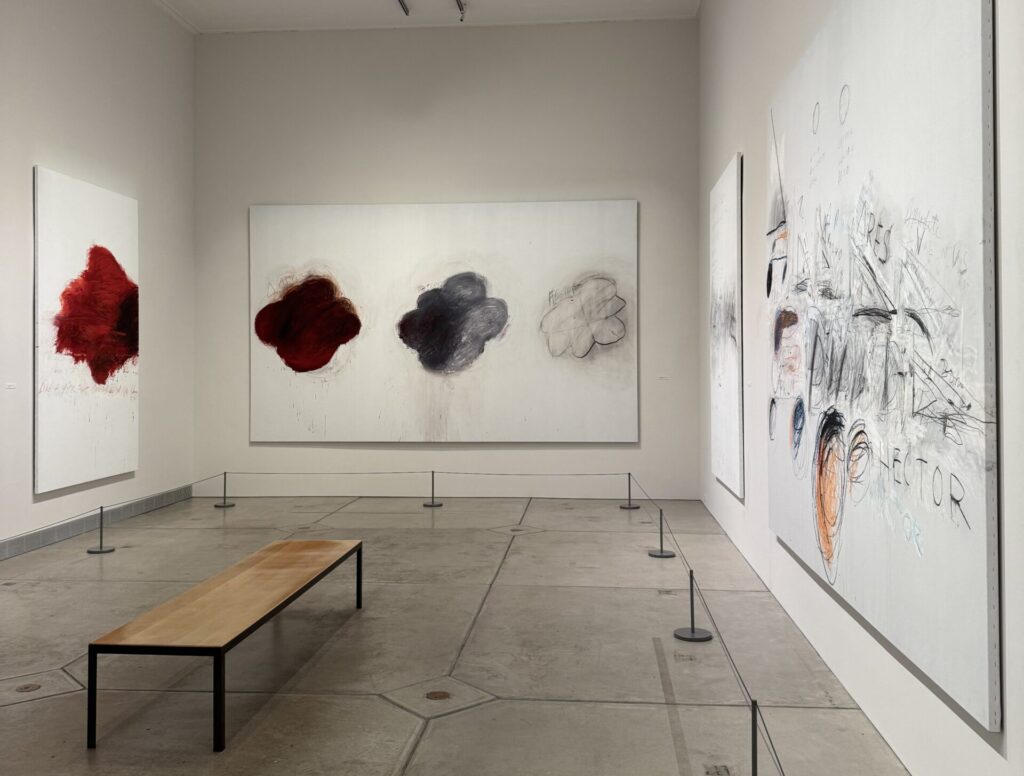
Cy Twombly “Fifty Days at Iliam, 1978” painting cycle in ten parts, mixed media on canvas
I love Cy Twombly, so I was completely surprised when, walking through the ground floor of the Philadelphia Museum of Art and turning a corner, I found myself in a beautiful gallery devoted to his monumental Fifty Days at Iliam.
Twombly began the series in 1977 and completed it in 1978 while working in Bassano in Teverina, Italy. Inspired by Alexander Pope’s translation of Homer’s Iliad, the work consists of ten enormous paintings that unfold like chapters in a story of the Trojan War. Through sweeping gestures, handwritten names, bursts of color, and expanses of open canvas, Twombly moves between battle, heroism, loss, revenge, and mourning.
The ten paintings are Shield of Achilles; Heroes of the Achaeans; Vengeance of Achilles; Achaeans in Battle; The Fire that Consumes All Before It; Shades of Achilles, Patroclus, and Hector; House of Priam; Ilians in Battle; Shades of Eternal Night; and Heroes of the Ilians. The cycle is permanently installed at the museum, making the room itself part of the experience of encountering the work.
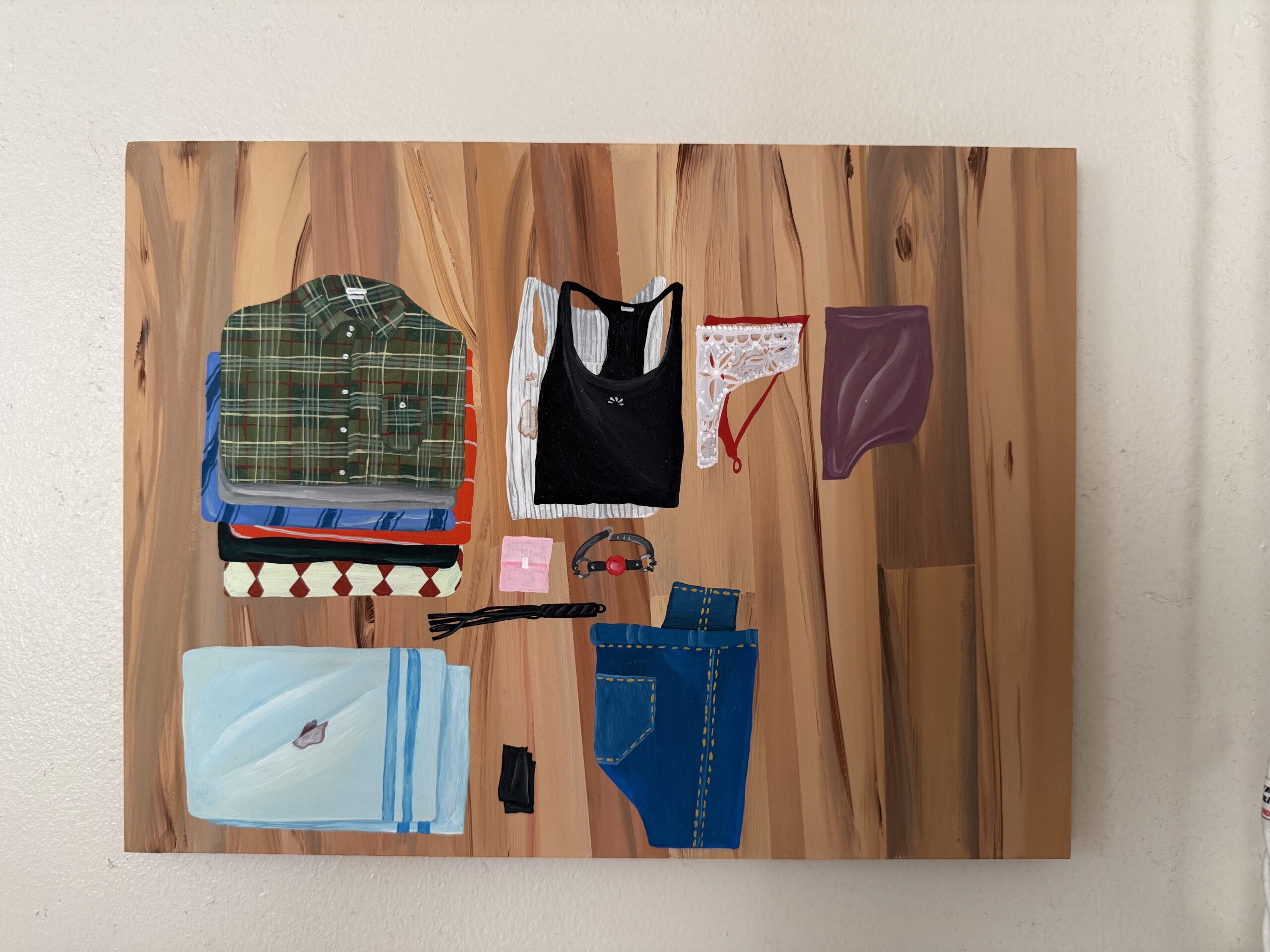
In Philadelphia, I visited artist Sabrina Small at her home and had the chance to see her personal art collection. One artist I discovered there was Anne Buckwalter, whose paintings immediately caught my attention. Inspired by folk art, her work combines familiar domestic imagery such as quilts, ceramics, bedrooms, and laundry with unexpected references to sexuality and desire. I loved how the work can feel traditional and comforting at first, but a closer look reveals something much more complicated.
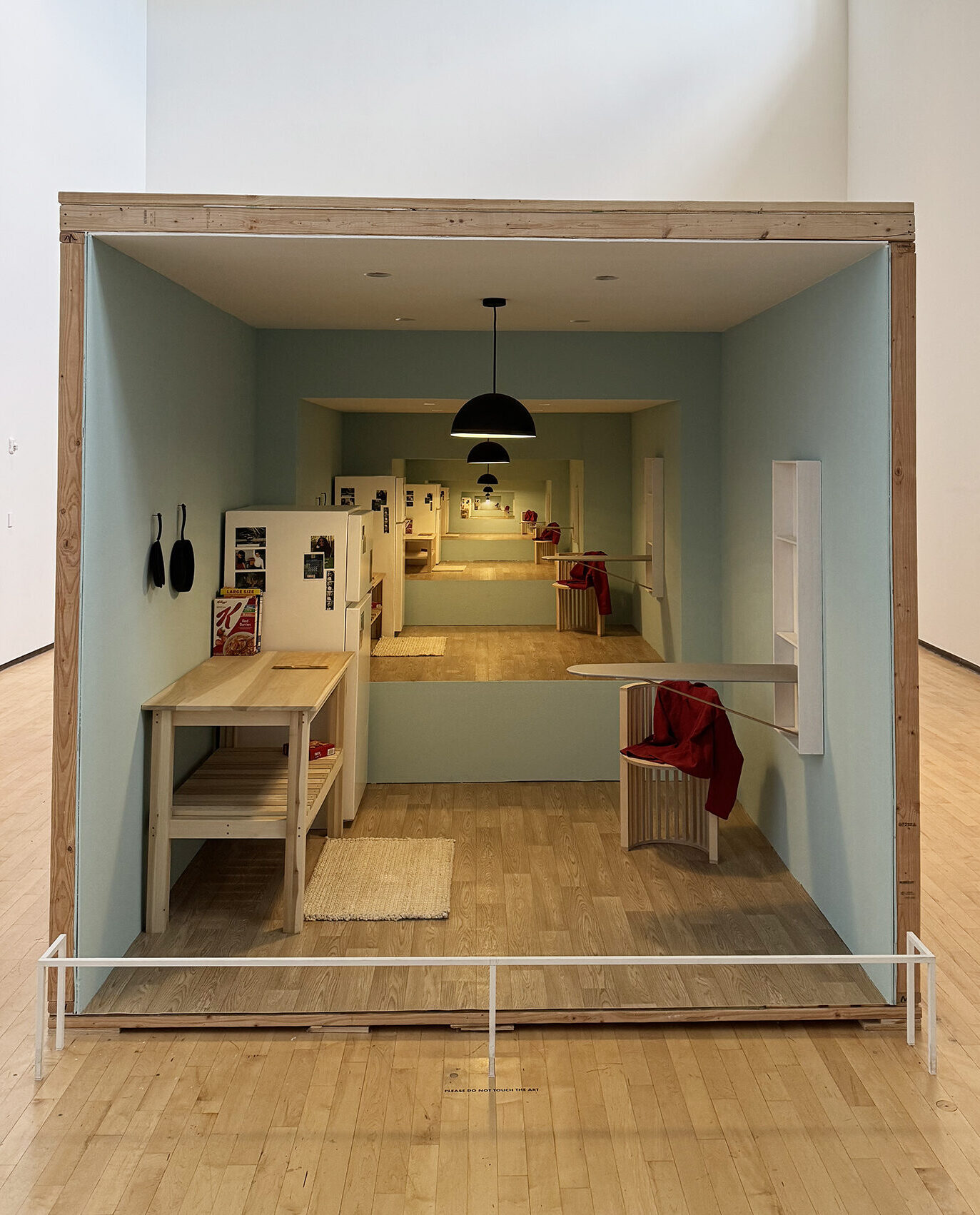
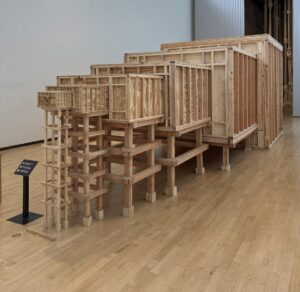
Architectural installation by Sam Fresquez
One highlight of the trip was visiting MASS MoCA in North Adams, Massachusetts. The building itself is incredible. The sprawling 19th-century industrial complex was originally home to Arnold Print Works, once one of the world’s leading producers of printed textiles, and later became the Sprague Electric Company. Today, those historic factory buildings have been transformed into a huge contemporary art museum, with much of their industrial character beautifully preserved. I loved the contrast between the worn brick, wood floors, enormous windows, and expansive galleries. And the work inside was every bit as powerful as the building itself!